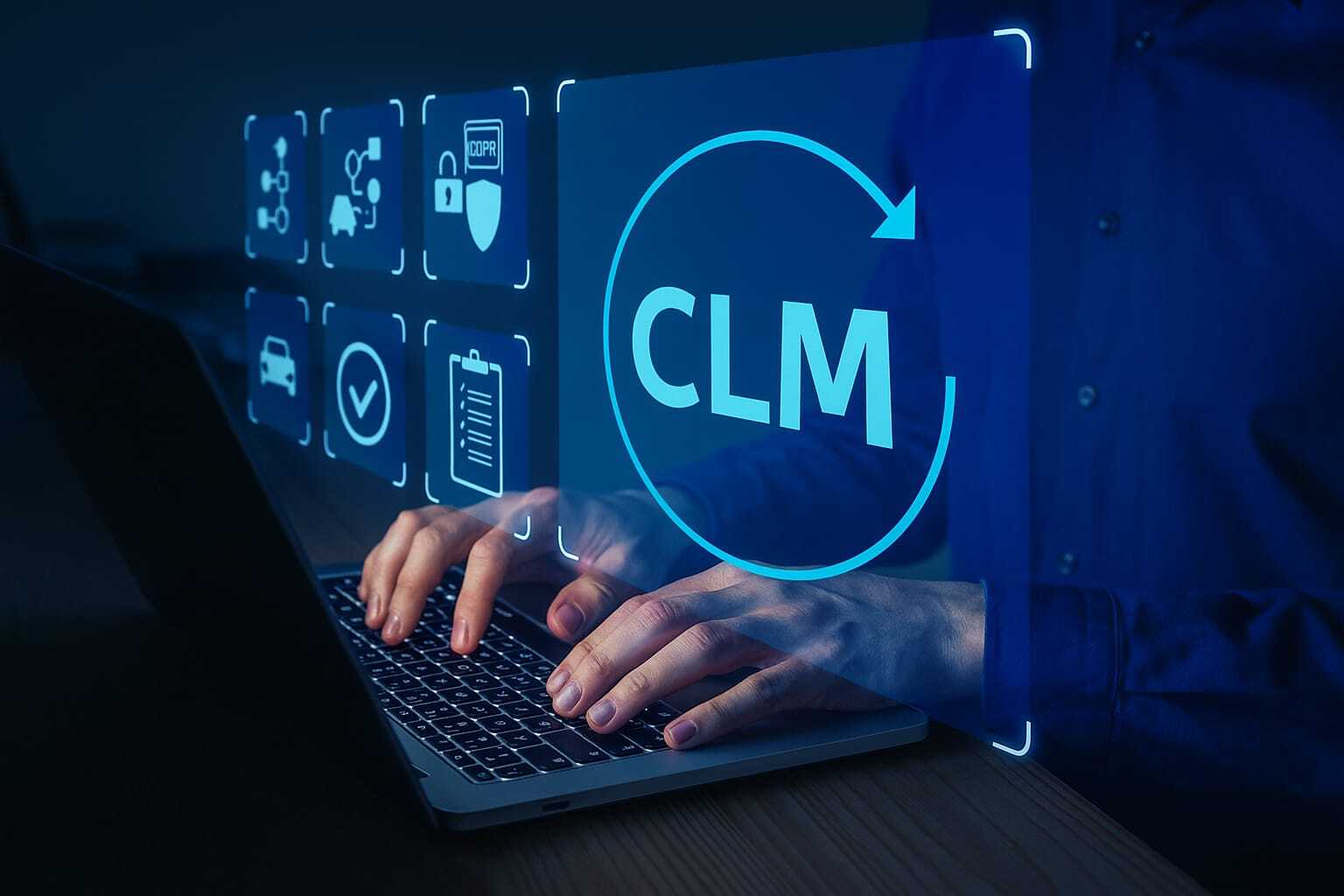
Australia’s construction sector is evolving rapidly. From urban infrastructure to private developments, projects today are larger, more complex, and deeply interconnected. With tighter regulations, stricter timelines, and increased collaboration across multiple stakeholders, one area stands out as a key driver of progress — Contract Lifecycle Management (CLM).
Once seen as a back-office task, contract management has become a strategic necessity. For Australian construction services, adopting digital CLM solutions is more than just about efficiency — it’s about control, compliance, and competitive advantage.
The Challenge: Managing Complexity in Modern Construction
Every construction project involves a web of contracts — with architects, subcontractors, consultants, suppliers, and clients. Each agreement defines obligations, deliverables, and risks. Traditionally, these documents were handled manually, stored in folders, or tracked through spreadsheets.
The problem? Paperwork got lost. Deadlines slipped through the cracks. And compliance gaps often led to costly disputes.
In a sector where every delay impacts budget and reputation, manual contract management simply isn’t sustainable anymore. That’s where Contract Lifecycle Management transforms the game.
What Is Contract Lifecycle Management?
Contract Lifecycle Management refers to the end-to-end process of managing contracts — from drafting and negotiation to execution, monitoring, and renewal.
A CLM system automates and centralises this process. It allows project managers, engineers, and legal teams to access real-time information, track milestones, manage approvals, and ensure compliance — all from a single digital platform.
For Australian construction companies, this means no more missing documents, version confusion, or payment delays. Instead, projects run with greater transparency and accountability.
Why CLM Is Reshaping Australian Construction Services
1. Centralised Control Across Projects
Construction companies often manage multiple projects at once — each with unique contracts, timelines, and teams. CLM platforms create a unified space for all agreements, allowing managers to view and track progress without sifting through paperwork.
This centralisation reduces confusion, supports quick decision-making, and ensures no critical deadlines are missed.
2. Strengthened Compliance and Risk Management
Australia’s construction industry operates under strict regulations for safety, environmental standards, and subcontractor obligations. CLM systems help businesses stay compliant by automating alerts, tracking performance metrics, and storing every version of a contract securely.
This not only minimises risk but also provides a reliable audit trail if disputes arise — protecting both the project and the company’s reputation.
3. Faster Project Turnarounds
Manual reviews and approval bottlenecks often delay construction progress. With automated workflows, CLM tools streamline approvals and document sharing, keeping projects on schedule.
Faster contract execution leads to faster project delivery — and in construction, time saved is money earned.
4. Enhanced Collaboration
Today’s construction projects involve multidisciplinary teams working across different locations. CLM software fosters seamless collaboration by giving all stakeholders controlled access to live documents and updates.
Whether you’re an engineer on-site or a consultant off-site, everyone stays aligned — reducing misunderstandings and improving accountability.
5. Real-Time Insights for Smarter Decisions
Data is the new currency in construction. CLM systems capture valuable information on contract performance, cost trends, and supplier reliability.
This data empowers companies to identify bottlenecks, improve supplier relationships, and forecast future costs more accurately — turning contracts into a strategic source of business intelligence.
The Competitive Advantage for Australian Construction Firms
In an industry driven by deadlines and details, Contract Lifecycle Management gives Australian construction firms the clarity and confidence to scale efficiently.
Beyond compliance and efficiency, CLM supports transparency — a key factor in winning client trust and meeting government standards for accountability. It also aligns perfectly with Australia’s digital transformation goals, helping companies stay ahead of both local and global competition.
Furthermore, integrating Contract Lifecycle Management into Australian construction services enhances sustainability by reducing paperwork, improving collaboration, and supporting smarter, greener workflows across every project stage.
Building Smarter with SPM Engineers & Consultants
At SPM Engineers & Consultants, we understand the challenges that come with managing complex construction contracts. Our expertise in engineering, project management, and digital transformation helps businesses implement tailored contract lifecycle management solutions that streamline operations and drive results.
We help Australian construction services move from manual, paper-heavy processes to intelligent, data-driven systems that simplify project delivery and strengthen performance — from planning to completion.
Conclusion
The future of construction is not just about building stronger structures — it’s about building smarter systems.
As the industry continues to embrace innovation, Contract Lifecycle Management is set to become a cornerstone of efficiency, compliance, and collaboration. For Australian construction services, it’s not just the next big shift — it’s the foundation for the next era of sustainable growth.