Contracts are a fundamental part of doing business. Whether it is managing supplier agreements, client contracts, employment arrangements, or service partnerships, every organisation relies on contracts to establish clear expectations and protect its interests. However, as businesses grow, so does the complexity of managing these agreements.
Many organisations still rely on spreadsheets, shared folders, and lengthy email chains to track contracts. While these methods may work initially, they often become difficult to manage as contract volumes increase. Missed renewal dates, delayed approvals, compliance issues, and limited visibility can create unnecessary risks and inefficiencies.
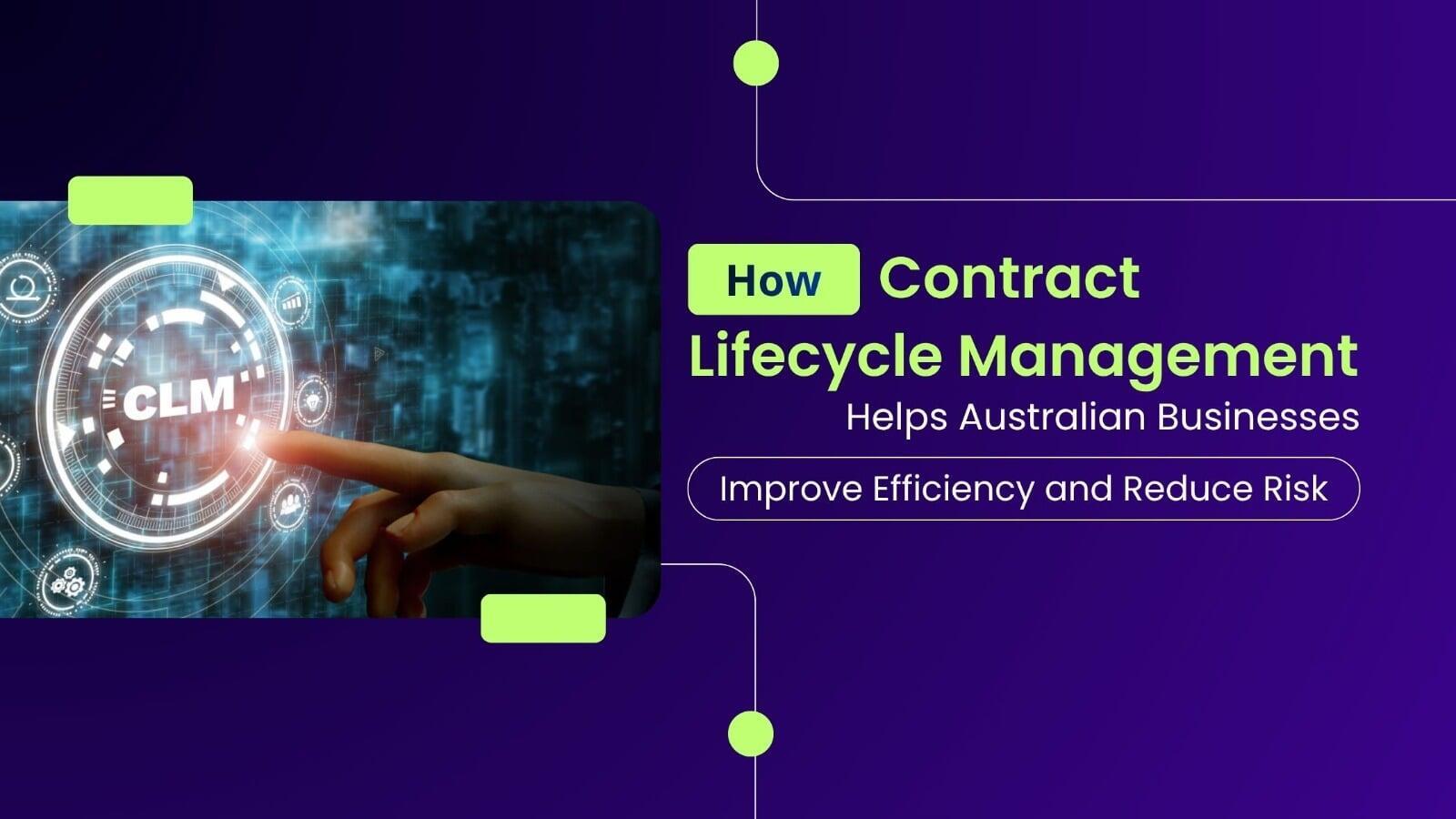
This is where contract lifecycle management is making a significant impact. By streamlining the entire contract process, businesses can improve operational efficiency, reduce risk, and gain greater control over their contractual obligations. Supported by modern SaaS services in Australia, organisations are finding smarter ways to manage contracts throughout their entire lifecycle.
What Is Contract Lifecycle Management?
Contract lifecycle management refers to the process of managing a contract from its creation through to renewal or termination. Rather than treating contracts as standalone documents, businesses manage them through a structured process that ensures consistency, visibility, and accountability at every stage.
The contract lifecycle typically includes:
Contract creation and drafting
Internal review and approval
Negotiation and revisions
Execution and signing
Contract monitoring and compliance
Renewal, amendment, or termination
Managing these stages manually can be time-consuming and prone to errors. A contract lifecycle management system helps businesses automate and streamline these activities, making the entire process more efficient and reliable.
The Challenges of Traditional Contract Management
Many organisations underestimate the amount of time spent managing contracts manually. Employees often search through multiple folders to locate documents, chase approvals through email, and rely on spreadsheets to track key dates.
These challenges can lead to several business risks, including:
Missed renewal deadlines
Delayed project delivery
Compliance breaches
Inconsistent contract versions
Reduced visibility across departments
Increased administrative workload
As businesses expand, these issues become even more difficult to manage. Without a centralised system, contract-related information can become fragmented, making it harder for teams to access accurate and up-to-date records.
Why Australian Businesses Are Embracing Contract Lifecycle Management
Australian businesses are increasingly recognising that effective contract management is not just an administrative function. It is a strategic business process that supports growth, compliance, and operational performance.
One of the biggest advantages of contract lifecycle management is improved visibility. Instead of storing contracts across multiple locations, businesses can maintain a central repository where authorised users can quickly access information when needed.
This visibility helps teams monitor contract obligations, track performance milestones, and identify upcoming renewal dates before they become urgent issues. As a result, organisations can make better-informed decisions and reduce the risk of costly oversights.
Another key benefit is standardisation. Businesses can create approved templates and workflows that ensure consistency across all contracts. This reduces the likelihood of errors while helping maintain compliance with internal policies and regulatory requirements.
How SaaS Services in Australia Are Supporting Contract Management
The growing adoption of cloud-based technology has transformed the way businesses manage contracts. Today, many organisations are turning to SaaS services in Australia to simplify and automate contract-related processes.
Software-as-a-Service (SaaS) solutions provide businesses with access to powerful contract management tools without the need for complex infrastructure or large upfront investments. These platforms allow teams to manage contracts from virtually anywhere while maintaining security and control.
Some of the key features offered through modern SaaS contract management solutions include:
Automated approval workflows
Digital document storage
Electronic signatures
Real-time contract tracking
Compliance monitoring
Automated alerts and notifications
Reporting and analytics dashboards
Because SaaS platforms are cloud-based, updates and enhancements are typically delivered automatically, ensuring businesses always have access to the latest features and security improvements.
Improving Compliance and Reducing Risk
Compliance is a major concern for businesses across many industries. Contracts often contain critical obligations, service-level agreements, regulatory requirements, and financial commitments that must be carefully monitored.
A contract lifecycle management system helps reduce compliance risks by providing greater visibility into contractual obligations. Automated reminders ensure that important deadlines are not overlooked, while audit trails help maintain transparency throughout the contract process.
Businesses can also establish approval workflows that ensure contracts are reviewed by the appropriate stakeholders before being finalised. This additional oversight helps minimise errors and strengthens governance practices.
By reducing the reliance on manual processes, organisations can significantly lower the likelihood of compliance breaches and contractual disputes.
Enhancing Productivity Across Teams
Contract management often involves multiple departments, including procurement, legal, finance, operations, and project management. Without an efficient system, collaboration between these teams can become slow and fragmented.
Contract lifecycle management improves communication by providing a single source of truth for contract-related information. Team members can access documents, track progress, and collaborate more effectively throughout the contract lifecycle.
Automation also reduces repetitive administrative tasks, allowing employees to focus on higher-value activities. Instead of spending hours searching for documents or following up on approvals, teams can dedicate more time to strategic initiatives that contribute to business growth.
Supporting Long-Term Business Growth
As organisations scale, the number and complexity of contracts typically increase. Managing this growth effectively requires systems that can adapt alongside the business.
Contract lifecycle management provides a scalable framework that supports expansion without creating additional administrative burden. Businesses gain greater control over contractual relationships while improving efficiency, compliance, and decision-making.
When combined with reliable SaaS services in Australia, organisations can build a more agile and resilient approach to contract management that supports both current operations and future growth.
Conclusion
Contracts play a critical role in every organisation, but managing them effectively requires more than simply storing documents and tracking dates. Businesses need a structured approach that provides visibility, accountability, and efficiency throughout the entire contract process.
Contract lifecycle management helps organisations streamline workflows, reduce risk, improve compliance, and enhance collaboration across teams. With the support of modern SaaS services in Australia, businesses can move away from manual processes and adopt smarter, more scalable solutions.
As the business landscape continues to evolve, investing in effective contract management is becoming an essential step towards achieving sustainable growth and long-term success.