Australian businesses are under constant pressure to work smarter, respond faster and keep operating costs under control. As customer expectations change and competition increases, relying on manual processes and disconnected systems can make everyday work more difficult than it needs to be.
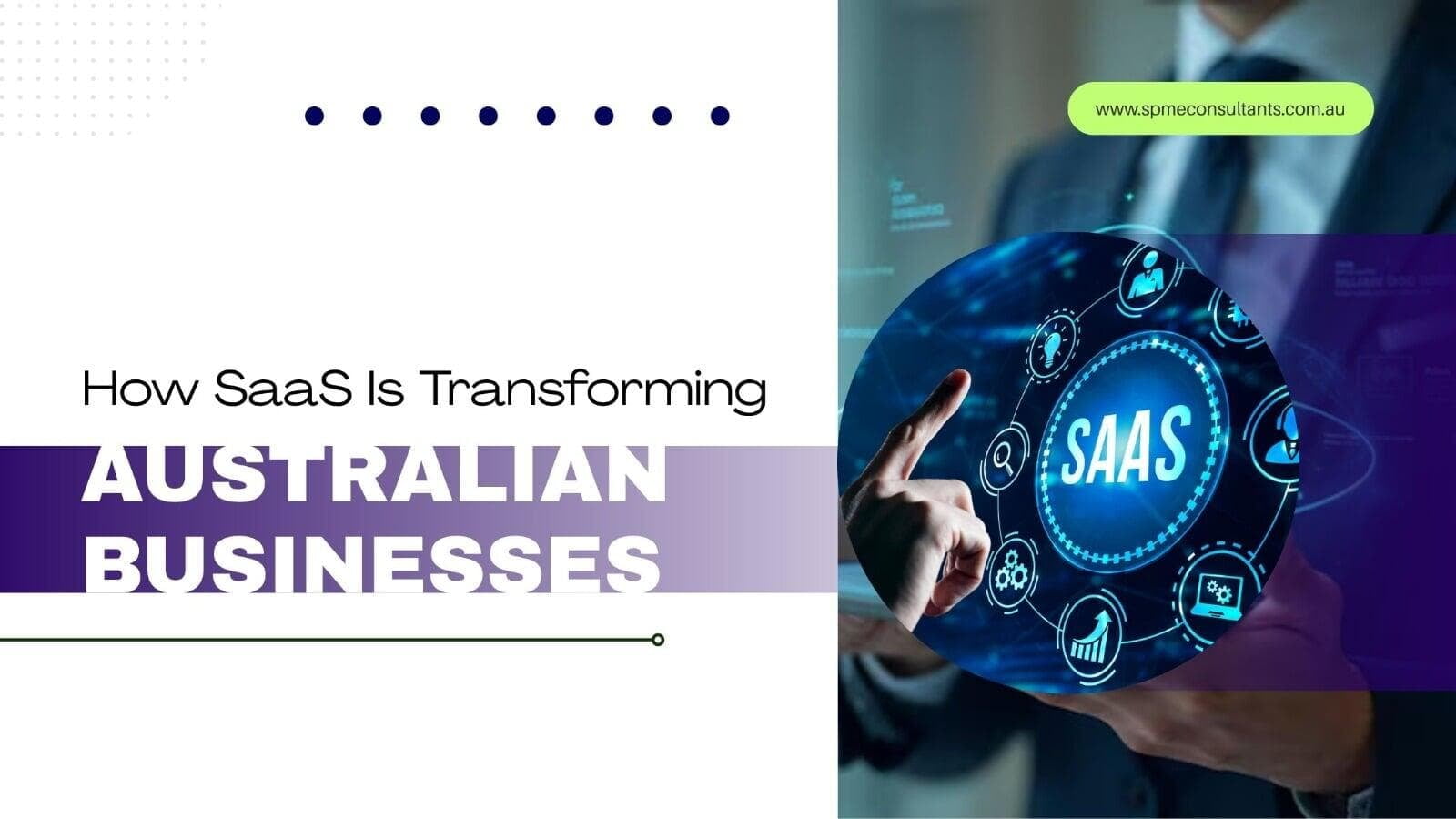
This is why more businesses are turning to SaaS services in Australia. Cloud-based software can bring different parts of a business together, automate repetitive tasks and give teams better access to the information they need. When implemented correctly, SaaS can become more than just another technology investment — it can change how a business operates.
What Are SaaS Services?
Software as a Service, commonly known as SaaS, allows businesses to access software through the internet rather than relying on traditional systems installed and maintained on individual computers. Businesses typically pay for access through a subscription, with updates, maintenance and infrastructure managed by the software provider.
For Australian businesses, this approach can provide greater flexibility. Teams can access business applications from different locations, making it easier to support hybrid and remote working environments.
More importantly, modern SaaS solutions can connect functions such as customer management, finance, project management, human resources, analytics and communication. This can reduce the need to move information manually between different systems.
Why SaaS Is Becoming Important for Australian Businesses
Every business has processes that take up time without directly contributing to growth. Entering the same information into multiple systems, manually preparing reports or searching through emails for important details can quickly add up.
Well-designed SaaS services in Australia can help reduce this administrative burden. Automation can take care of repetitive tasks, while centralised information gives employees quicker access to the data they need.
This can be particularly valuable for growing businesses. Instead of continuously adding more manual processes as the business expands, organisations can build systems that are capable of supporting increased workloads.
Improving Business Operations Through Automation
One of the biggest advantages of SaaS is the ability to automate routine activities.
For example, a business might automate customer follow-ups, invoice reminders, employee workflows, reporting or task assignments. These small improvements can make a significant difference when they are repeated every day.
Automation also helps employees spend less time on repetitive administration and more time on work that requires communication, problem-solving and decision-making.
This is where business solutions built around SaaS can make a real difference. Rather than simply adding another software platform, businesses can use technology to redesign inefficient processes and create smoother workflows.
Connecting Teams and Information
Disconnected systems can create information gaps. A sales team may have one set of customer information, while finance and operations teams work from completely different records.
Modern SaaS solutions can help connect these areas, allowing information to move more efficiently between departments. This can improve collaboration and reduce the risk of duplicated or outdated information.
For example, integrating customer management with finance and project systems can give a business a clearer view of its customers, projects, payments and overall performance.
When teams work from connected information, managers can make decisions with greater confidence.
Supporting Flexible and Scalable Growth
The way people work has changed considerably. Many Australian businesses now operate with employees working across offices, homes and different locations.
Cloud-based SaaS Australia solutions can support this flexibility by allowing authorised users to access business systems wherever they are. This can make collaboration easier while helping businesses maintain consistent processes.
SaaS can also provide scalability. As a business grows, it may be possible to add users, applications or features without having to completely replace its existing technology infrastructure.
This flexibility makes SaaS particularly useful for businesses that want to grow without allowing their technology costs and administrative workload to increase at the same pace.
Making Better Decisions with Business Data
Having access to data is only useful when businesses can understand and act on it.
Many SaaS platforms include dashboards, reporting and analytics capabilities that allow managers to monitor key business information. Instead of waiting for manually prepared reports, decision-makers can have greater visibility into areas such as sales, expenses, customer activity, employee performance and operational efficiency.
Better visibility can help businesses identify issues earlier and recognise opportunities sooner.
For an expanding SaaS business, this combination of automation, integration and analytics can create a stronger foundation for long-term growth.
Choosing the Right SaaS Approach
Not every business needs the same software or the same level of automation. Choosing a solution simply because it has a long list of features may not deliver the expected results.
Businesses should first understand their existing processes and identify where the biggest inefficiencies are. From there, they can select business solutions that address genuine operational requirements.
Implementation is equally important. A well-configured system that matches the way a business actually works can deliver much more value than software that is poorly integrated or difficult for employees to use.
The Future of Business Operations in Australia
SaaS is changing the way Australian businesses manage their everyday operations. From automation and collaboration to reporting and customer management, cloud-based technology can help businesses create more connected and efficient workflows.
The real value of SaaS services in Australia is not simply having access to modern software. It is about using technology strategically to reduce unnecessary work, improve visibility and give people the tools they need to perform better.
For businesses ready to modernise their operations, the right SaaS solutions can provide a practical path towards greater efficiency, flexibility and sustainable growth.